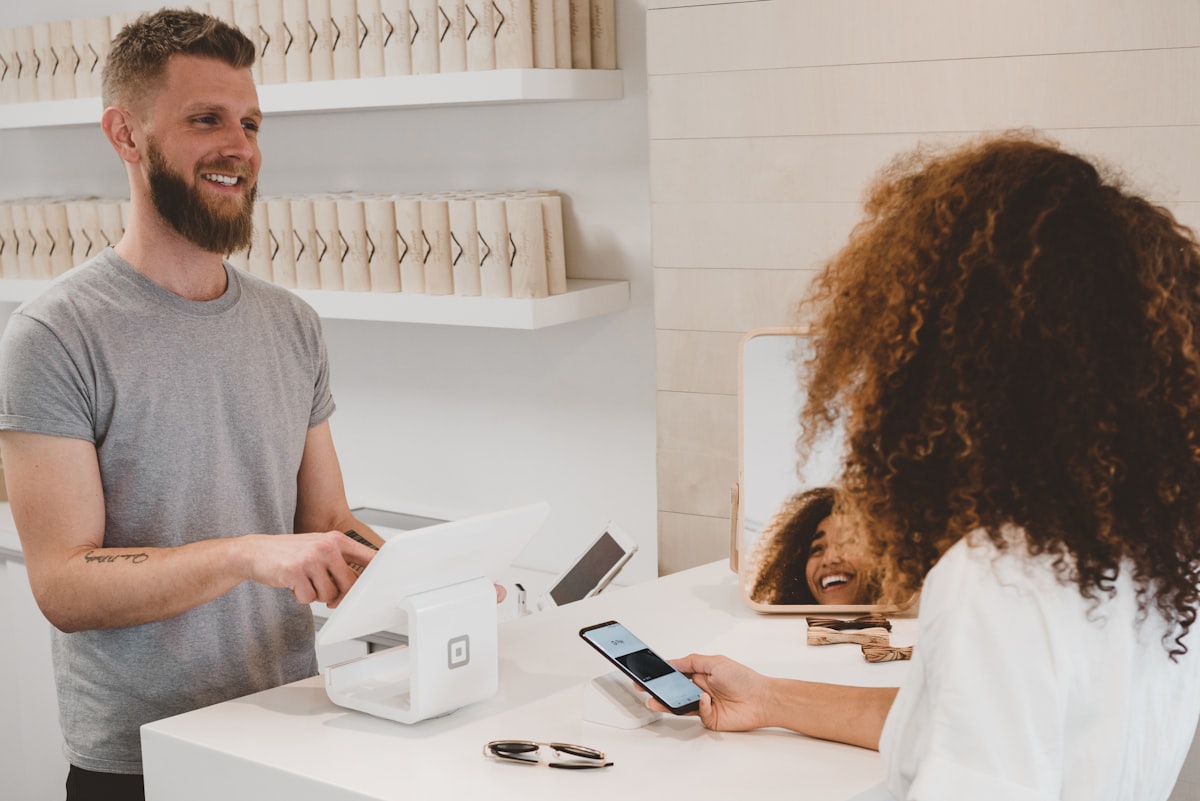
The coffee shop next door. The florist down the block. The studio that shares your parking lot. Every Portland business owner already knows a handful of neighbors like this, and most of those relationships never get past a friendly wave, even though they're one of the cheapest ways to reach customers who already trust someone nearby.
"A gym and the smoothie shop next door split one Instagram giveaway last spring and both walked away with more new customers than either had gotten from a paid ad in months."
Finding the Right Partners

The best partnerships come from businesses that share customers but don't compete for the same sale — a bakery and a coffee roaster, a gym and a smoothie shop, a photographer and a wedding venue.
Map your "adjacent" businesses, not your competitors
List five to ten local businesses that serve the same customer at a different moment in their day or their journey. These are your best partnership candidates — there's upside for both sides and no risk of splitting the same sale.
Start with a simple bundled offer
A joint discount — "show your receipt from [partner business] for 10% off" — is low-effort to set up and easy for both businesses to track. It gives customers of one business a reason to try the other.
Co-host an event or workshop
Splitting the cost and effort of an in-person event doubles the audience pulling people through the door, and it plays well on social and in local press. This pairs naturally with a strong email list to invite past customers from both businesses.
Swap features in each other's newsletter or blog
A short shout-out or guest feature in a partner's email or blog reaches an audience that already opted in to hear from a business like yours. It's also a natural way to build the kind of local backlinks that help local SEO.
Cross-promote on social with genuine tags, not just ads
A real photo of your product being used or sold at a partner's location, tagged and shared by both accounts, reads as authentic in a way a paid ad never will.
Formalize it, even informally
A quick written note — even a shared email thread — outlining what each business is offering and for how long avoids the awkward "wait, is this still happening?" conversation three months in.
Rule of thumb: if you can't say what the other business gets out of the deal in one sentence, it's lopsided, and lopsided partnerships tend to quietly fizzle out within two or three months. A good bundled offer usually pays for itself if it converts even 3-5% of the customers who see it.
Treat It Like a Real Marketing Channel
Partnership marketing works best when it's not a one-off favor but a recurring habit — a standing monthly check-in with two or three local partners to swap ideas and plan the next cross-promotion. Businesses that do this consistently often find it outperforms paid advertising, because every referral arrives pre-loaded with trust.
You already know the businesses worth partnering with
Joskie Productions helps Portland business owners turn those existing relationships into partnership and referral systems that actually run instead of staying a good idea.
Let's Talk Strategy →