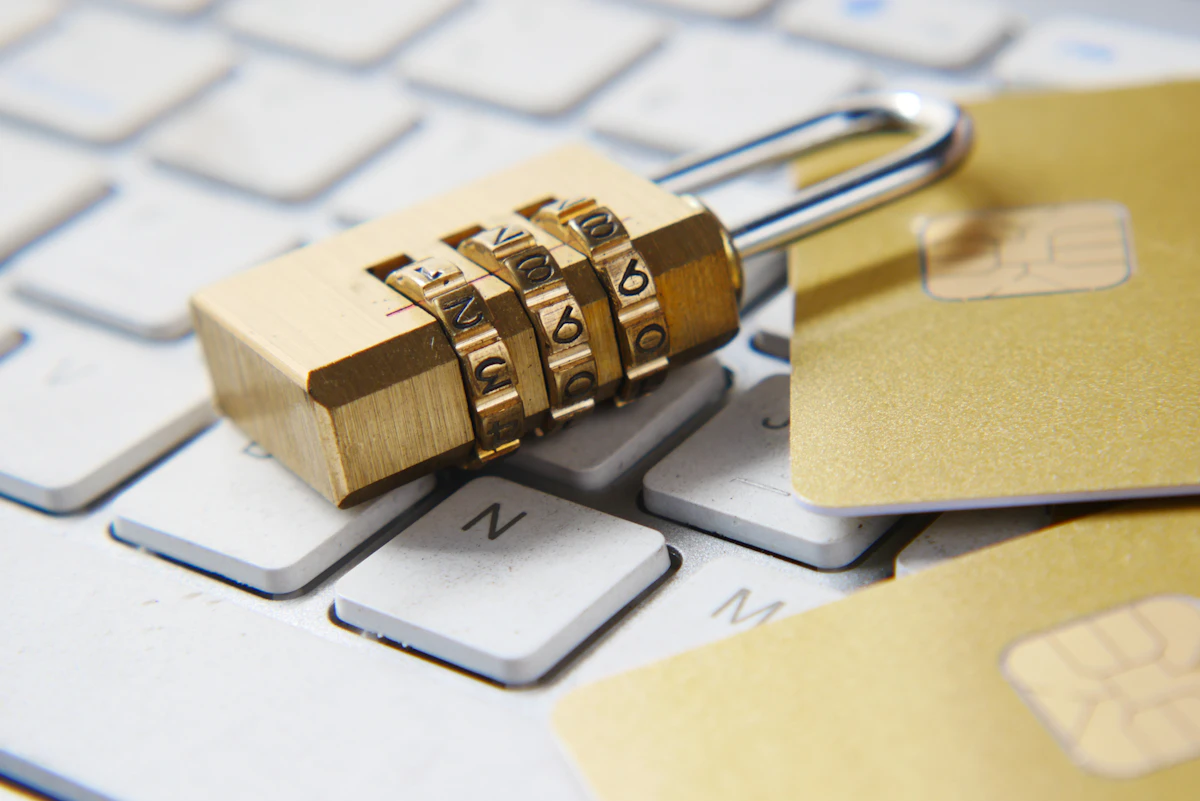
Most small business owners think about website security exactly once: the day they get an email saying their site has been flagged for malware, or a customer mentions their browser threw up a scary red warning before they could even load the homepage. By then, the damage is already done — lost traffic, a damaged reputation, and a scramble to fix something that a few basic habits would have prevented entirely.
"Website security isn't about becoming a cybersecurity expert. It's about a short list of unglamorous habits that almost nobody keeps up with — until something breaks."
The Three Things That Actually Matter
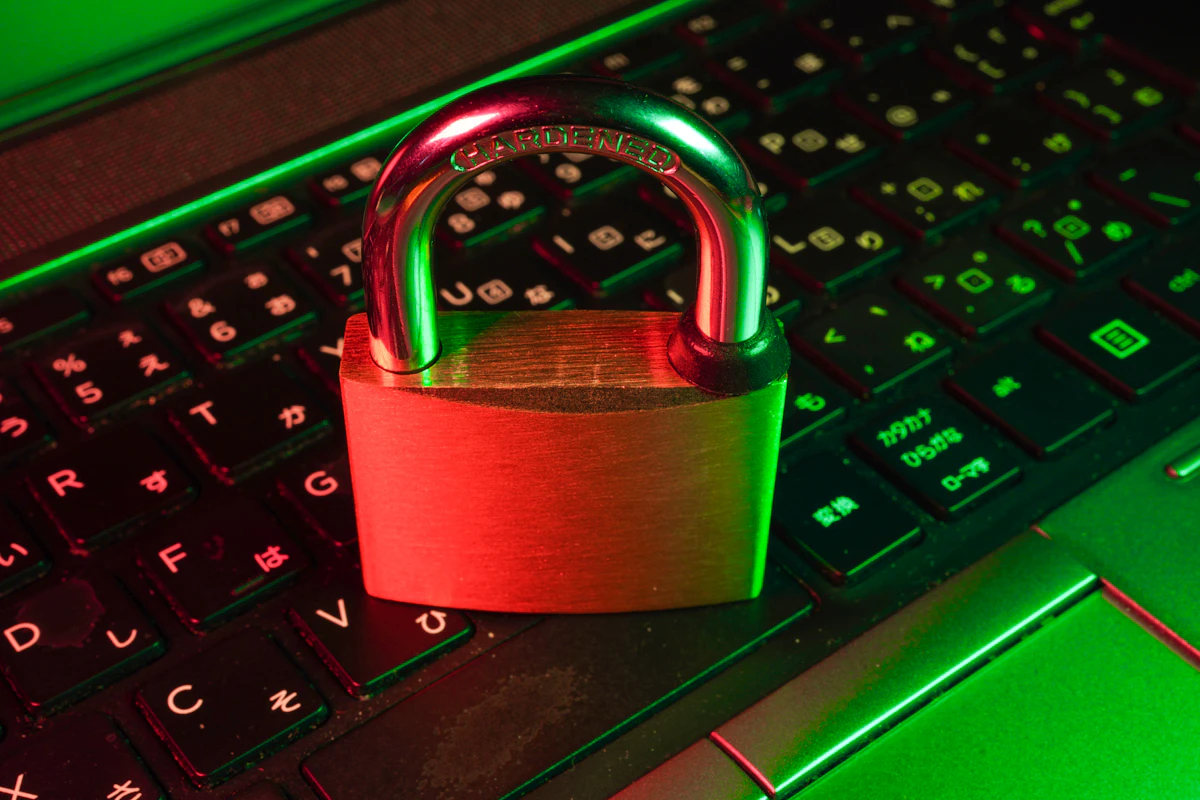
There's an entire industry built around making website security sound complicated. For most small businesses, it isn't. Almost every real-world security problem traces back to one of three gaps: no SSL certificate, no working backup, or no one checking for malware until a customer or Google notices first.
Confirm your SSL certificate is active and auto-renewing
SSL (the padlock icon and "https://" in your browser bar) encrypts data between your site and your visitors. Most hosts and platforms include free SSL through Let's Encrypt, but it's worth confirming yours renews automatically — expired certificates throw a full-page security warning that turns visitors away instantly.
Keep a backup that's actually been tested
A backup you've never restored isn't a backup, it's a hope. Most hosting plans and CMS platforms (WordPress especially) offer automated daily or weekly backups — but the habit that matters is periodically confirming one can actually be restored, not just that a file exists somewhere.
Turn on malware scanning
A free plugin or your host's built-in scanner can flag injected spam links, malicious redirects, or defaced pages before a customer — or Google's Safe Browsing list — finds them first. Getting blacklisted by Google is far more damaging, and far slower to reverse, than the scan itself would ever cost you.
Use a password manager and unique logins per person
Shared logins and reused passwords are the single most common way small business sites get compromised. A password manager makes strong, unique credentials for every admin account nearly effortless — and lets you revoke one person's access without resetting everyone else's.
Update your CMS, plugins, and themes on a schedule
As covered in our website maintenance guide, outdated plugins are the number one cause of hacked small business sites. Set a recurring monthly reminder rather than waiting for an update notification you might ignore.
Limit who has admin access — and review it quarterly
Former employees, old contractors, and long-forgotten freelancer accounts are a common, quietly forgotten security hole. A quarterly pass through your user list to remove anyone who no longer needs access takes ten minutes and closes a real gap.
Add a web application firewall if you're on WordPress
A firewall plugin filters out malicious traffic and known attack patterns before they ever reach your site, and most free tiers cover the basics a small business site needs — no dedicated IT staff required.
The 80/20 version: if you only do three things this month, confirm SSL is active, verify a backup can actually be restored, and turn on a malware scanner. Those three habits prevent the overwhelming majority of small business website security incidents.
Security Is a Trust Signal, Not Just a Technical Checkbox
Customers rarely think consciously about website security — until something looks wrong. A browser warning, a hacked page redirecting to spam, or a Google blacklist notice does more damage to trust in five seconds than months of good marketing can undo. Treating security as a handful of routine habits, the same way you'd treat locking up the shop at night, keeps that risk low without requiring a technical background.
Not sure if your website is actually secure?
Send us your site and we'll check your SSL, backup setup, and plugin versions — and flag anything that needs attention before it becomes an emergency.
Get a Free Security Check →